
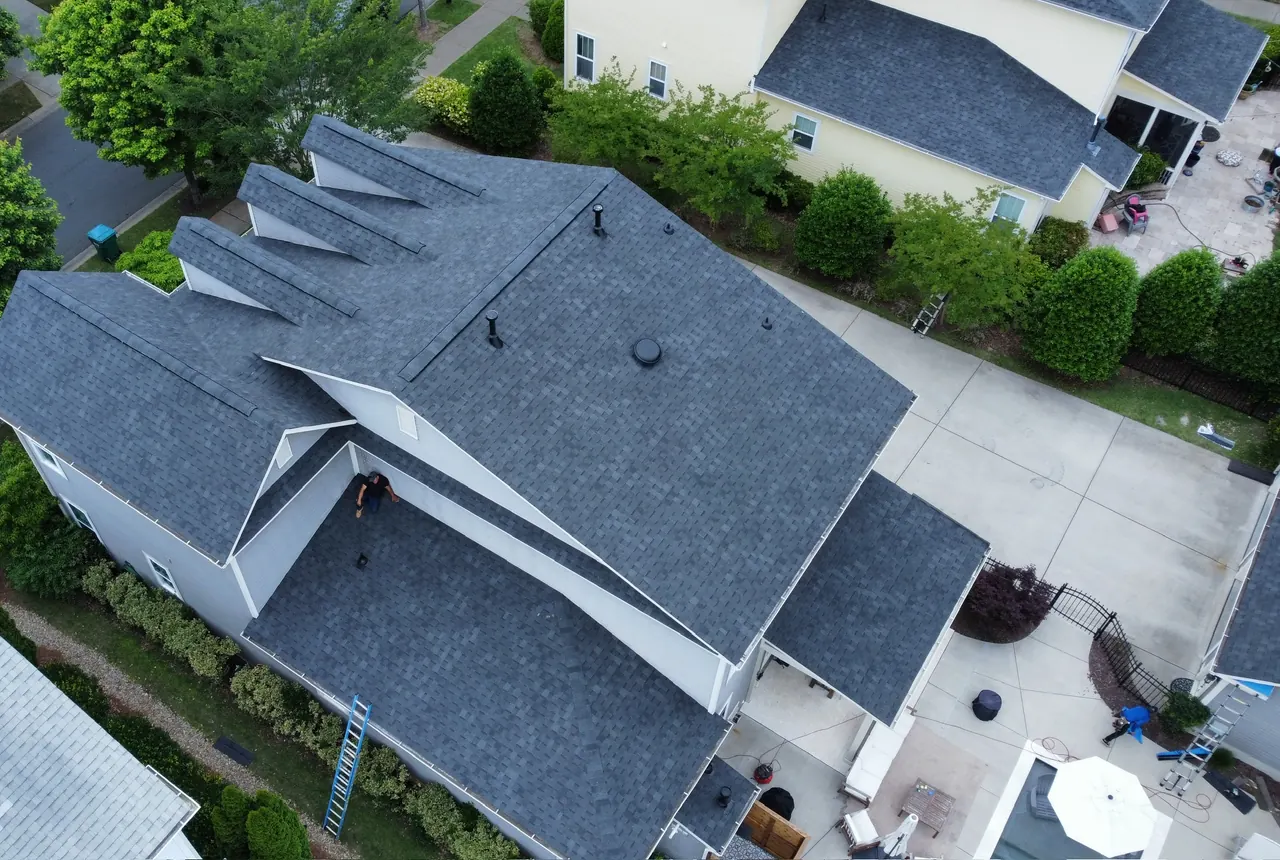
What we inspect
We examine accessible roof slopes, penetrations, valleys, flashing, exposed fasteners, seal condition, drainage, visible decking clues, and attic or ceiling symptoms when access is available. Photos help you see the same condition we see.
- Shingle wear, adhesion, and missing material
- Pipe boots, vents, skylights, and wall transitions
- Gutter edge, fascia, and drainage clues
- Ventilation and moisture indicators
- Evidence of prior repairs or storm impact
A free inspection is not a replacement pitch
A roof can be old and still serviceable. When that is the case, we identify maintenance priorities and an appropriate recheck window. When a repair is enough, we say so. When replacement planning is prudent, we explain the evidence and the risk of waiting.
A clear next step
Start with the roof you already have.
When to schedule an inspection
Schedule after high wind or hail, before buying or selling, when insurance asks for roof information, after a ceiling stain, or when an original roof approaches 20 years. March through June is the typical Union County storm window, but heat and ordinary aging continue all year.
From inspection to a clear scope
If work is recommended, the estimate ties back to observed conditions. Repair scopes identify the failure area and materials. Replacement scopes identify the complete system and allowances. You can review the information without being pushed into a same-day decision.
Straight answers
Frequently asked questions
Is a free roof inspection near me really free?+
Yes. The initial residential roof inspection within our service area has no inspection charge and no obligation to buy work. We explain visible findings and next steps. Specialized engineering, destructive testing, or formal certification is different work and would be discussed before any fee is incurred.
How much does a roof inspection cost?+
Our initial residential condition inspection is free. Paid inspection costs can apply when a lender, insurer, court, engineer, or formal report requires a specialized scope. We distinguish a normal contractor assessment from a certified or destructive inspection before scheduling the work.
How often should a 20-year-old roof be inspected?+
A 20-year-old asphalt roof should be checked at least annually and after significant hail or wind, with timing adjusted for its condition. A recent inspection does not guarantee storm immunity. The purpose is to track changes early enough that a controlled repair may still be possible.
Will you inspect the attic too?+
We inspect accessible attic areas when access is available and it is safe to enter. Attic moisture, staining, daylight, compressed insulation, and ventilation clues can help trace a leak or explain premature aging. Some homes have limited access, which we note in the findings.